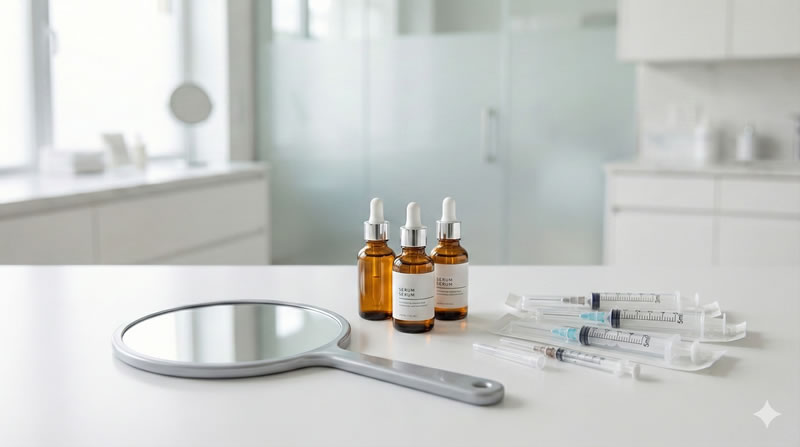

The new cosmetic surgery “journey” in Australia (and how to use it to make a safer decision)

Cosmetic surgery in Australia now has extra safeguards built in—GP/specialist referral, two consultations, and a minimum cooling-off period—so patients have time and structure to make an informed choice.
First, clarify what you’re actually booking
People often bundle three different things together:
- Reconstructive surgery: done to restore form/function after injury, cancer, congenital differences, etc.
- Cosmetic surgery: invasive procedures aimed primarily at changing appearance (e.g., facelift, rhinoplasty, breast surgery, tummy tuck).
- Non-surgical cosmetic procedures: injectables, lasers, threads, etc.
The rules you’ll experience can differ depending on what you’re having done and how it’s classified, so the first practical step is asking the clinic to confirm which category your procedure falls into and what that means for appointments, consent, and waiting periods.
The three key safeguards you’ll notice (and what they’re for)
You need a GP or specialist referral
From 1 July 2023, patients seeking cosmetic surgery require a referral from a GP or another medical specialist. This is designed to add an independent medical checkpoint—health history, medications, risk factors, and whether extra support is needed before you move forward.
What to do with your GP appointment Bring a short, factual list:
- What procedure you’re considering and why
- Relevant medical conditions (including mental health history if applicable)
- Current medications and supplements
- Smoking/vaping, alcohol, and any drug allergies
- Prior surgeries and any anaesthetic issues
You must have two pre-operative consultations
The Medical Board guidelines require two consultations before consent is finalised for cosmetic surgery, to reduce rushed decisions and give proper time for questions, reflection, and risk discussion.
Use consult #1 to learn, not to “commit”
Good outcomes usually start with good planning: your anatomy, goals, options, likely trade-offs, and what “realistic” looks like for you.
Use consult #2 to confirm
This is where you pressure-test the plan:
- Is the procedure still the right match?
- Do the risks feel acceptable?
- Do you understand recovery limits, time off work, and scar placement?
A cooling-off period applies before booking/paying
There must be a cooling-off period of at least 7 days after the two consultations and informed consent—before surgery can be booked or a deposit paid. This is there to reduce impulse decisions and allow you to reconsider with a clear head.
How to know you’ve understood consent properly
“Informed consent” is not a form you sign at the end; it’s a process. A solid consent conversation usually covers:
- The goal (what it can and can’t change)
- The plan (technique, incisions, possible add-ons)
- Common downsides (pain, swelling, bruising, scars, downtime)
- Material risks (the serious complications—even if uncommon)
- Alternatives (including non-surgical options and doing nothing)
- Recovery timeline (what you can do at week 1, week 2, month 1, etc.)
- Revision reality (what happens if you don’t like the result or healing is unpredictable)
If any part feels vague, that’s the cue to slow down and ask for a plain-English explanation.
A simple checklist for your consult (customer-friendly, no fluff)
Bring this list and tick it off.
About the result
- What change is realistic for my anatomy?
- What is the main compromise I’m accepting (scar, downtime, risk, sensation changes)?
- What does a “good outcome” look like clinically (not emotionally)?
About safety
- Where is surgery performed (hospital/day surgery) and who provides anaesthesia?
- What are the biggest risks for me based on my medical history?
- What steps reduce infection risk and bleeding risk?
About recovery
- What will I look and feel like at 1 week / 2 weeks / 6 weeks?
- When can I drive, exercise, return to work, and travel?
- What follow-up schedule is typical?
About costs and revisions
- What is included vs not included (garments, meds, aftercare, follow-ups)?
- If a revision is needed, what are the likely scenarios and costs?
Credentials: what matters in Australia
A quick consumer rule that helps: check whether the doctor is recognised as a Specialist Plastic Surgeon (in Australia, that title is tied to the recognised specialty and FRACS training pathway).
This doesn’t replace a consult, but it does reduce confusion caused by similar-sounding titles.
Advertising and social media: how to read it without getting misled
Cosmetic content online can create unrealistic expectations, especially when “after” images are shown more prominently than “before” or when posts imply certainty of results.
Australian guidance around cosmetic procedure advertising places strict expectations on how before/after images are used (e.g., they must be genuine, used responsibly, and not presented in a way that overemphasises the “after”).
A safer way to use online content
Use it only to:
- learn basic terminology,
- identify questions to ask,
- understand recovery concepts.
Don’t use it to “choose your exact result.”
Final thoughts
Cosmetic surgery is easiest to navigate when you treat it like a structured decision, not a quick purchase: use the referral, the two consults, and the cooling-off period to confirm safety, fit, and realistic outcomes.
Book Your Consultation now with Dr Laith Barnouti
Want a clearer, calmer way to prepare for your consultation? Get a copy of Your Guide to Modern Plastic Surgery and book a personalised consultation to discuss your options.