

Why Surgical Technique is Important to Breastfeeding After Breast Surgery
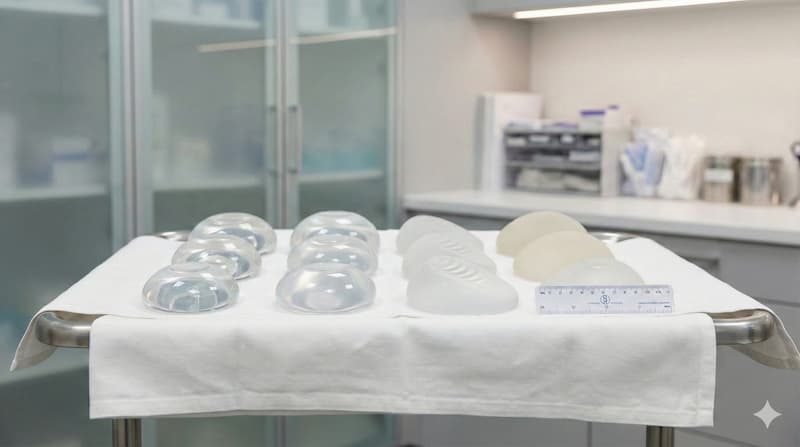
Many patients are worried about their breastfeeding ability after breast surgery, often fearing that a necessary or desired procedure will permanently end their hopes of nursing a child. This concern is one of the most significant emotional hurdles individuals face when considering breast intervention. This leads many to weigh their physical health or aesthetic goals against their future role as a parent.
While the presence of a surgical scar or an implant is often the focus of this anxiety, the reality is far more nuanced. It is not the surgery itself that dictates the outcome, but rather the specific surgical technique utilised during the procedure.
To understand how we can protect this biological function, we must move beyond the general label of the operation and look more closely at the specific methods used to preserve the breast’s delicate infrastructure.
Understanding the Anatomy of Lactation
To understand why surgical technique and breastfeeding after breast surgery are so closely linked, we must look at the biological infrastructure of the breast. Successful lactation depends on three primary pillars:
- Glandular Tissue: The “milk factories” of the breast.
- Ductal Integrity: The “piping system” that transports milk to the nipple.
- Neural Connectivity: The nerves (specifically the fourth intercostal nerve) that trigger the let-down reflex and hormonal signals.
When we discuss the impact of breast surgery on breastfeeding, the goal of a modern surgeon is to preserve as much of this infrastructure as possible.
How Surgical Technique Influences Milk Supply
The question of how breast surgery affects milk supply often comes down to the preservation of the “Pedicle”—the bridge of tissue that carries the blood supply and nerves to the nipple-areolar complex (NAC).
- Incision Placement: Techniques utilising inframammary (under the fold) incisions are generally associated with better breastfeeding outcomes after breast surgery compared to periareolar (around the nipple) incisions. Periareolar approaches pose a higher risk of severing milk ducts and the nerves responsible for the let-down reflex.
- Nipple Sensation: If the nerves responsible for the “suckling signal” are severed, the brain may not receive the message to produce prolactin and oxytocin, regardless of how much glandular tissue remains.
- The “Pedicle” Choice: In breast reductions, techniques like the Superior or Medial Pedicle keep the nipple attached to the underlying tissue, significantly increasing the chances of successful lactation compared to older techniques like “Free Nipple Grafting.”
Incision Placement: Avoiding the “Nerve Center”
The location of the surgical entry point is the first line of defense for lactation.
1. Inframammary Incision (The Safe Choice)
This is made in the crease under the breast. Because it is far from the nipple and the central milk ducts, it minimises the risk of severing the “piping system” or the nerves that trigger the let-down reflex.
2. Transaxillary Incision (Under the Arm)
By entering through the armpit, the surgeon avoids the breast tissue and ducts entirely, making it a very safe option for future breastfeeding.
3. Periareolar Incision (The High-Risk Choice)
This incision goes around the edge of the nipple. While it hides scars well, it is more likely to sever the milk ducts and the 4th intercostal nerve, which is responsible for the sensation that tells the brain to produce milk.
Common Procedures and Lactation Success
While every patient’s anatomy is unique, the level of breast surgery breastfeeding safety varies significantly based on the procedure type and approach:
| Procedure | Breast Surgery Breastfeeding Safety | Key Consideration |
| Augmentation | High | Submuscular placement usually avoids glandular damage. |
| Reduction | Variable | Highly dependent on the pedicle technique used. |
| Mastopexy (Lift) | High | Modern techniques prioritise ductal and nerve preservation. |
| Lumpectomy | Variable | Depends on the location of the tumor and radiation history. |
The Importance of the Pre-Surgical Consultation
If you are a patient, the most important step is advocating for your future goals. Discussing breast surgery and lactation should be a standard part of your pre-operative checklist. A surgeon who prioritises functional preservation will tailor their surgical technique to minimise trauma to the retroareolar space.
It is a common misconception that milk supply is an “all or nothing” scenario. Even if a surgical technique reduces supply, many women can still enjoy a partial breastfeeding relationship, supplemented as needed, provided the neural pathways remain intact.
Final Thoughts: The Vital Link of Surgical Technique
The fear of losing the ability to breastfeed should not be a silent barrier to surgery. By focusing on advanced surgical technique and breastfeeding after breast surgery, the medical community can offer patients the aesthetic or reconstructive results they desire without compromising their future as a nursing parent.
The surgery is the start, but the technique is the blueprint for your breastfeeding success.
Why Choose Dr. Laith Barnouti for Your Breast Surgery
Dr Laith Barnouti is a Sydney-based FRACS (Plast)–qualified specialist plastic surgeon with over 20 years of experience in breast surgery, combining medical expertise with a strong focus on preserving both form and function.
He customises each surgical technique to suit your individual body goals and future lifestyle needs, ensuring a result that is both beautiful and functional. With his precision and experience, you can expect long-lasting, natural-looking results that enhance your appearance while prioritising your long-term health and confidence.